About this aircraft
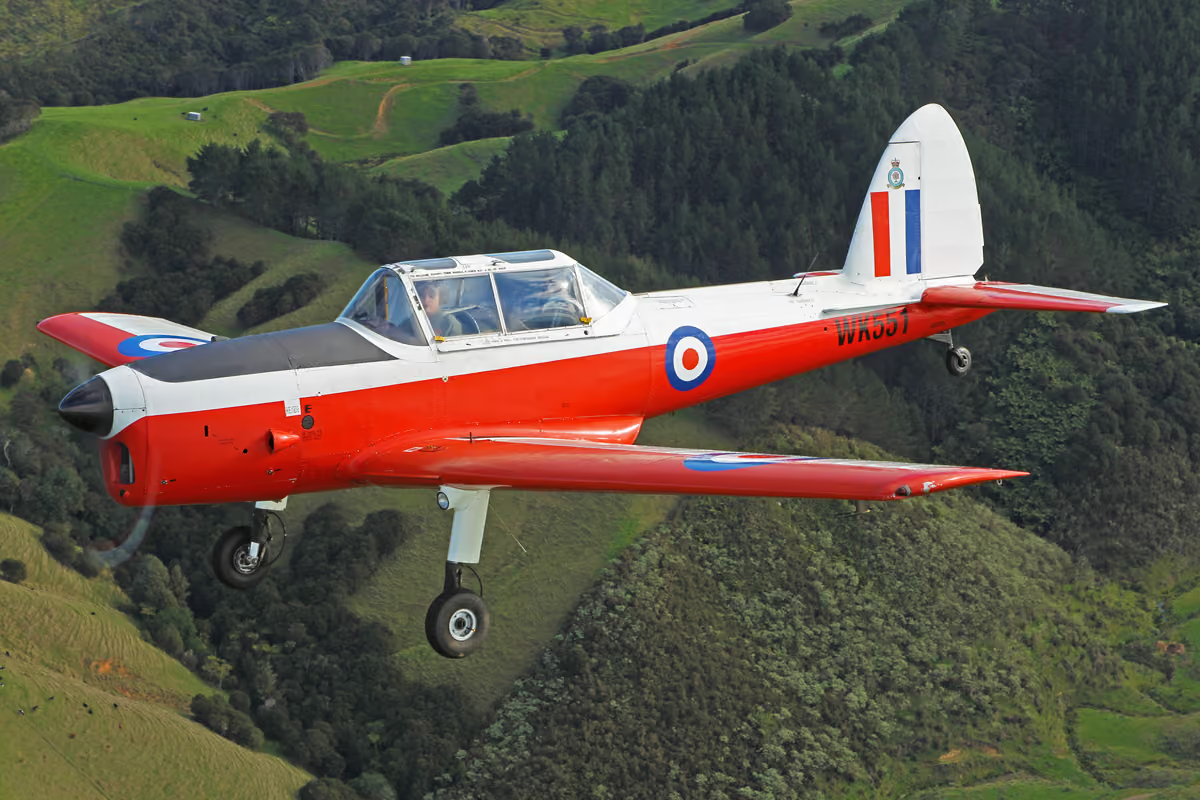
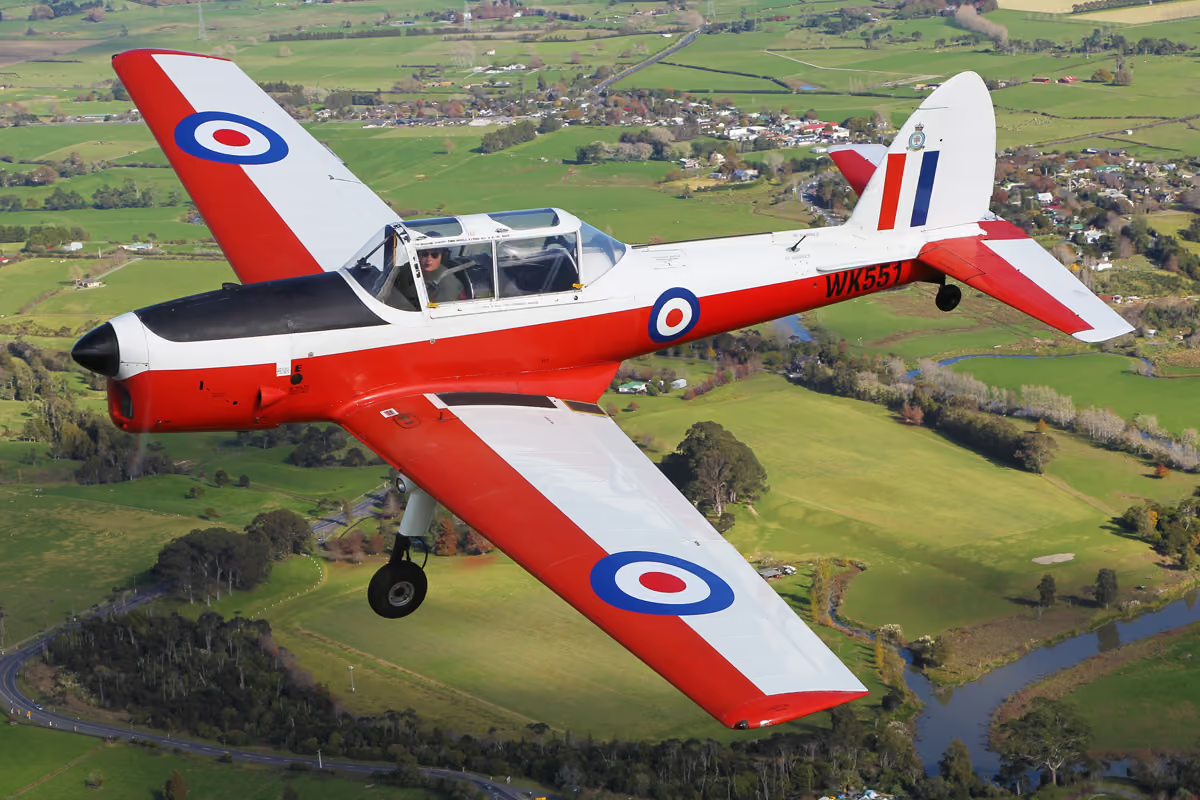
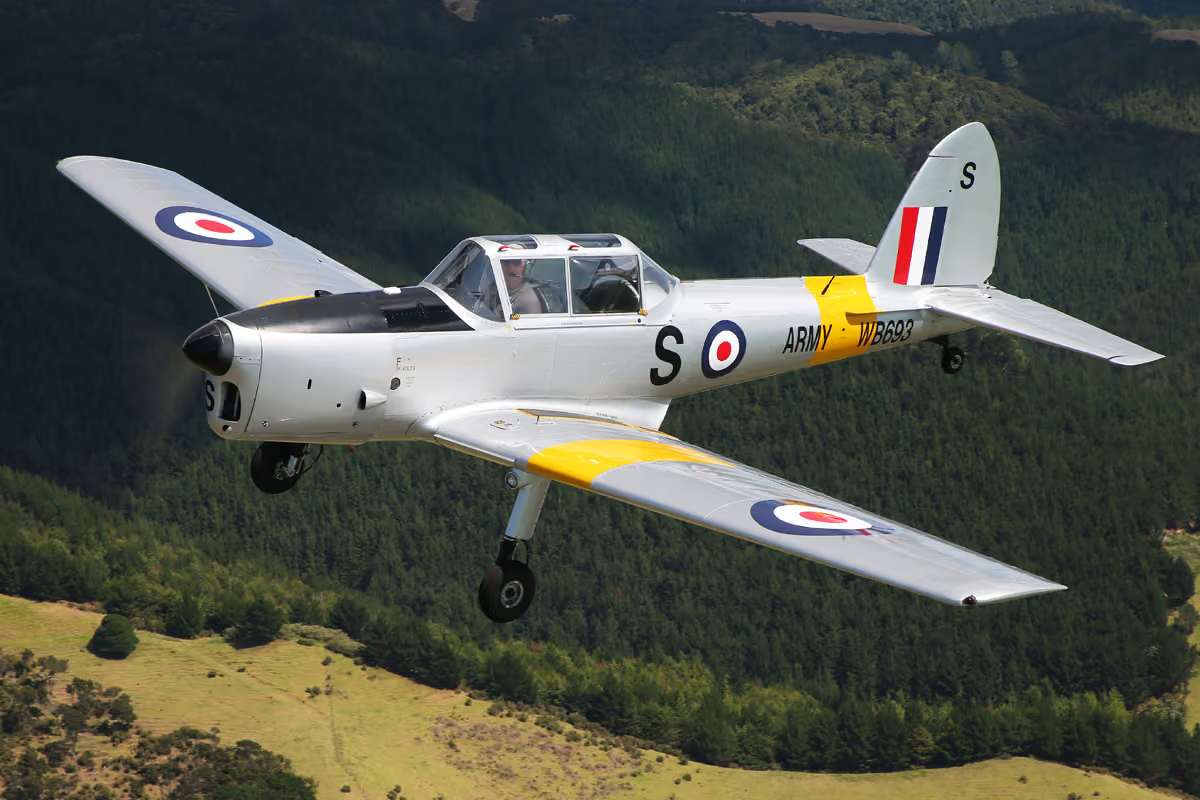
This aircraft was designed in 1946 as an all-metal, tandem-seat successor to the venerable Tiger Moth biplane. Affectionately known by aviators as the "Chippie" or "the poor man's Spitfire," it earned a reputation for its beautifully harmonized controls and superb aerobatic capabilities.
In New Zealand, the Chipmunk carved out a unique history despite never achieving official military status. The first aircraft arrived in July 1947 (registered as ZK-APN) and was evaluated by the Royal New Zealand Air Force (RNZAF). However, the RNZAF chose to retain its existing fleet of Tiger Moths and Harvards, turning down the type.
Consequently, the Chipmunk’s Kiwi legacy flourished entirely in civil aviation. Early Canadian-built imports were avidly adopted by local aero clubs for primary flight training. In later decades, numerous ex-RAF and ex-Indian military trainers were imported privately. Rather than fading away, a Chipmunk became the foundation for the entire NZ Warbirds movement. Today, several meticulously restored airframes—including the famous "Chipmunk Blue" display team—continue to fly actively out of airfields like Ardmore and Masterton, and Omaka keeping this classic postwar trainer alive for scenic adventure rides and historical airshows.
Aircraft Specifications
- Engine: 1 × de Havilland Gipsy Major 1C (or Gipsy Major 10 / Gipsy Major 8) 4-cylinder air-cooled inverted in-line piston engine (145 hp / 108 kW)
- Maximum speed: 138 mph (222 km/h or 120 knots)
- Wingspan: 34 ft 4 in (10.46 m)
- Length: 25 ft 5 in (7.75 m)
- Crew: 2 (student and instructor in tandem)
Manufacturer
Country
Year Built
Registration
Owner / Operator
Pilot

Show appearances
Which shows this aircraft has appeared at, and whether it flew or was on static display.
See it at Classic Fighters 2027
Marlborough Lines Classic Fighters Omaka 2027 runs 26-28 March at Omaka Aerodrome, Blenheim.